How to grow okra in Ghana
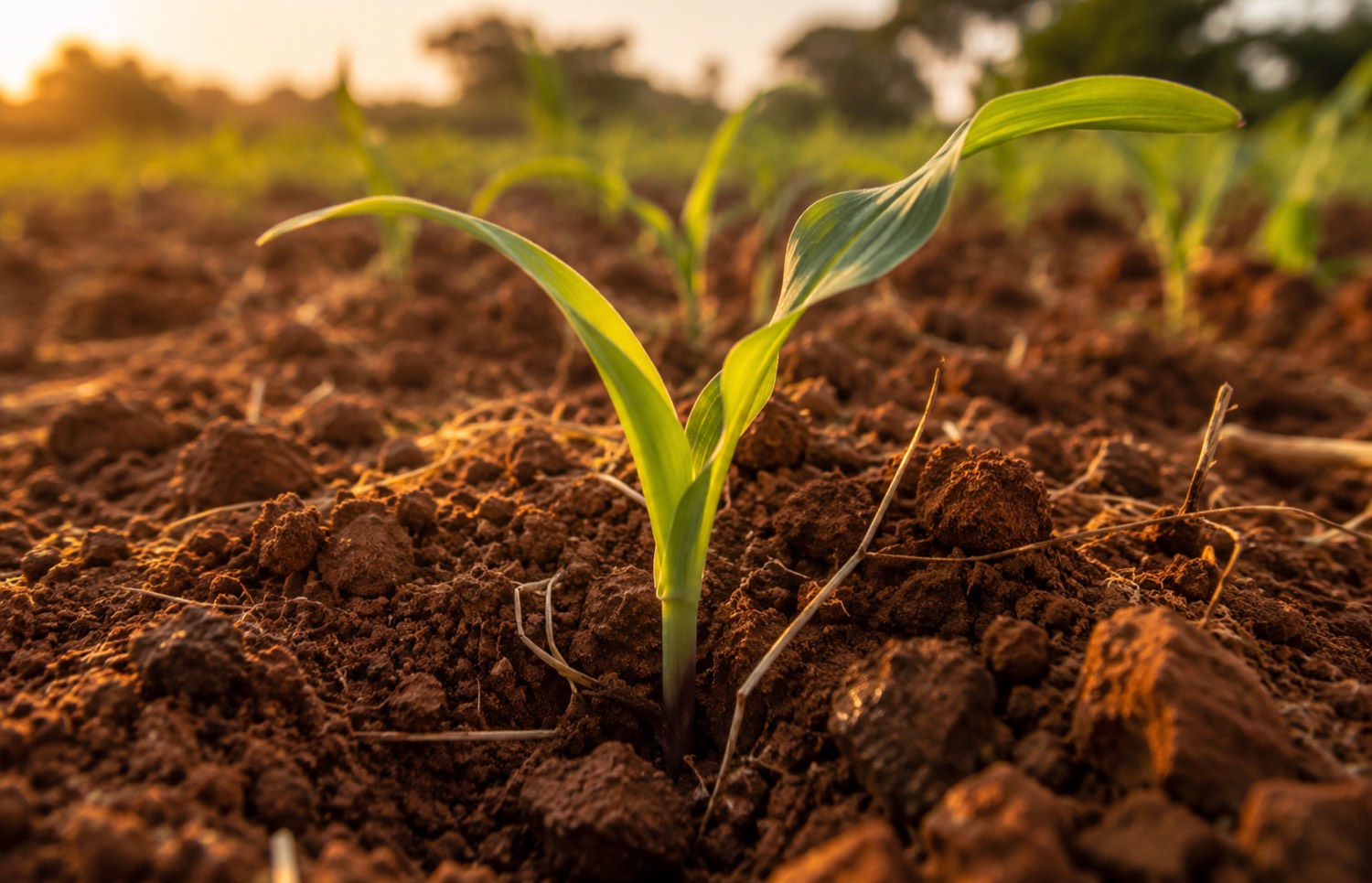
A fast-growing, high-value vegetable grown across all regions, particularly popular for smallholders near urban centres.
Soil
Well-drained, sandy loam to clay loam soils with high organic matter.
Target pH 6–6.8
Preparing the land
Clear vegetation, loosen the soil by digging or ploughing, and incorporate decomposed manure or compost into beds to improve soil texture.
Varieties
- Asontem
- Early maturing; highly popular local selection.
- Labadi Dwarf
- Popular local variety.
- Clemson Spineless
- Exotic variety; highly demanded in urban markets.
When and how to plant
- Major season
- May to June
- Minor season
- September to October
- Irrigated
- Can be grown year-round under irrigation
60 cm × 60 cm or 80 cm × 30 cm, planting 2–3 seeds per hole at a depth of 2 cm, later thinning to one healthy plant.
Fertilizer
Well-rotted poultry manure/compost, NPK 15-15-15, and Sulphate of Ammonia or Potassium Nitrate.
- Basal · At land preparation or 2 weeks after germination (basal / organic)
- 2–3 bags of NPK per hectare
- Top-dressing · At flowering stage (≈4–5 weeks after planting)
- 1 bag of Sulphate of Ammonia at flowering
Pests
- Flea beetles (Podagrica spp.)
- Chew tiny holes in leaves. Control with neem seed extract or targeted synthetic pyrethroids.
- Aphids
- Control with neem seed extract or targeted synthetic pyrethroids.
Diseases
- Okra Leaf Curl Virus
- Vectored by whiteflies. Manage by uprooting infected plants and controlling weeds.
- Powdery Mildew
- Manage with weed control and by spraying fungicides if necessary.
Harvest and storage
Starts 50–60 days after planting. Pods must be harvested every 2 to 3 days while young, tender, and snapping easily. Avoid letting pods become woody.
Highly perishable, and fresh okra keeps only 1–2 days at ambient temperatures. Locally, surplus pods are sliced and sun-dried (Nkuruma-gu / dried okra) to extend shelf life for months.
This guide is general agronomic guidance for Ghana , verified on 5 June 2026. Conditions differ field to field, so check with your local extension officer before applying an input you have not used before.