How to grow pepper in Ghana
Soil
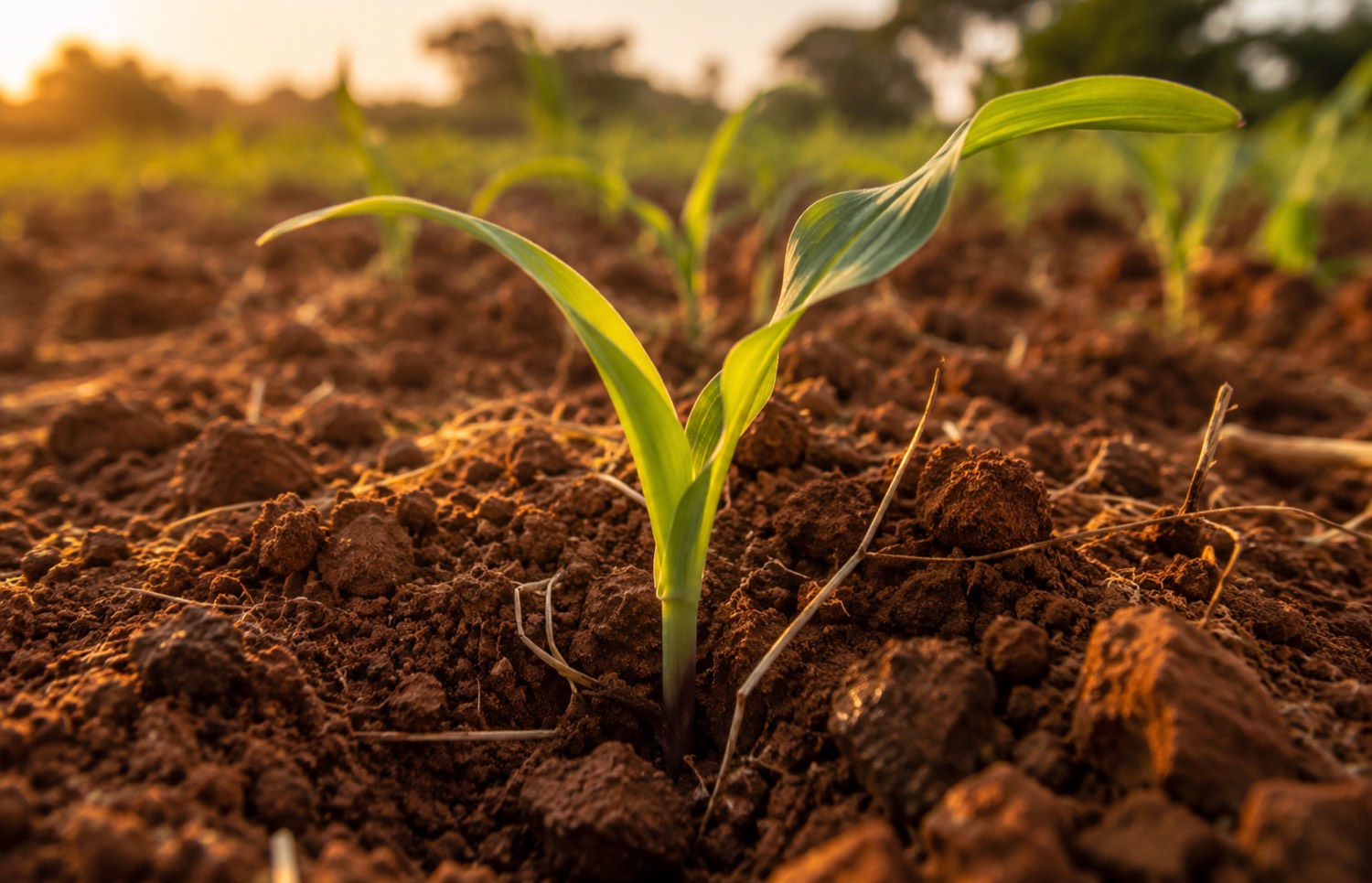
Deep, fertile, well-drained loamy soils. Extremely sensitive to waterlogging, which induces root rot.
Target pH 5.5–6.8
Preparing the land
Raised beds are highly recommended to prevent waterlogging. Incorporate well-composted organic manure into the beds during preparation.
Varieties
- Legon 18
- Long, hot red pepper; highly popular commercial type.
- Kpakpo Shito
- Round, fragrant green/yellow chili; highly localized demand.
- Mapele
- Very hot, small chili.
- Shito Adope
- Popular local chili.
When and how to plant
- Nursery
- Nursed in a shaded bed or trays for 4–6 weeks before transplanting
- Transplanting
- Best in April/May or September/October, during late afternoons to reduce transplant shock
70 cm × 50 cm or 60 cm × 60 cm on raised beds
Fertilizer
NPK 15-15-15, Calcium Nitrate (to prevent blossom-end rot), and organic compost.
- Basal · 2 weeks after transplanting (first dose)
- ≈250–300 kg/ha of NPK split into two applications
- Top-dressing · At first flowering and fruit set (second dose)
- Second half of the ≈250–300 kg/ha NPK split
Pests
- Thrips
- Suck sap and vector devastating viruses. Manage with reflective mulches, soapy-water sprays, or botanical/synthetic insecticides.
- Aphids
- Manage with reflective mulches, soapy-water sprays, or botanical/synthetic insecticides.
- Whiteflies
- Manage with reflective mulches, soapy-water sprays, or botanical/synthetic insecticides.
Diseases
- Pepper Veinal Mottle Virus (PVMV)
- Control with certified seed and crop rotation.
- Anthracnose (fruit rot)
- Control with certified seed, crop rotation, and copper-based fungicides.
Harvest and storage
Begins 2.5 to 3 months after transplanting. Pluck carefully with stalks intact. Harvest can continue weekly for several months depending on management.
Fresh peppers last 4–7 days in a cool, shaded, well-ventilated space. For long-term storage, peppers are sun-dried completely or ground into paste.
This guide is general agronomic guidance for Ghana , verified on 5 June 2026. Conditions differ field to field, so check with your local extension officer before applying an input you have not used before.