 AsaaseYaa
Anthracnose
A fungus that makes dark sunken spots on fruits and leaves, and dieback on yam.
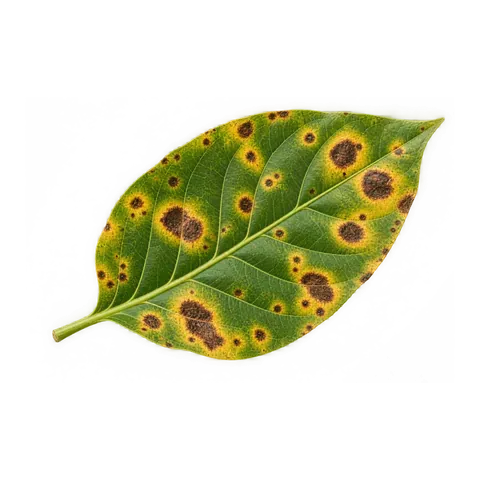
What it looks like
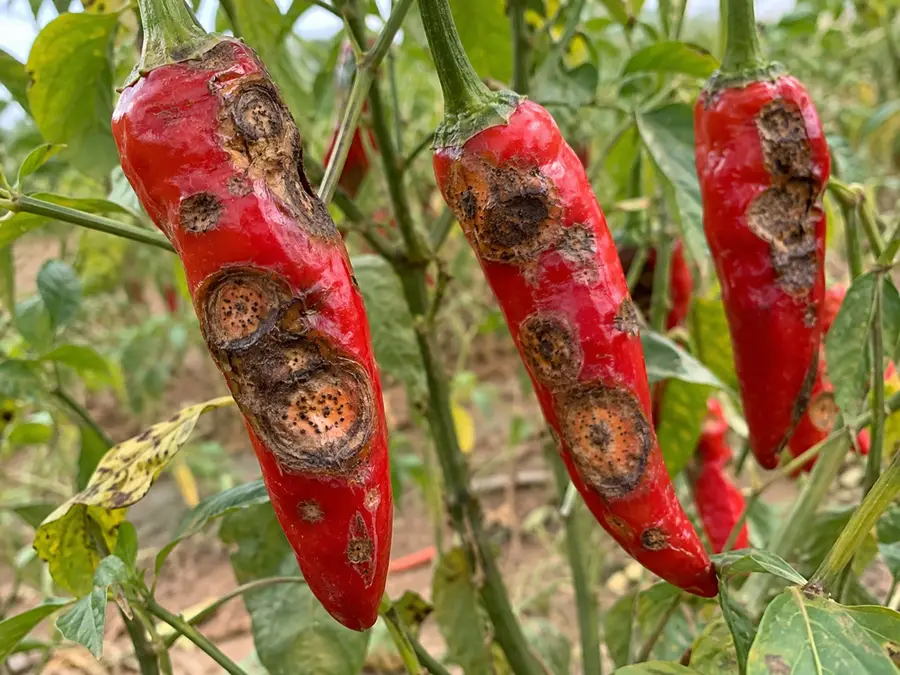
Every field looks a little different. If you are not sure, ask in the app’s Farmers, or ask an agronomist.
When it comes
| Crop | Stage | Check |
|---|---|---|
| Tomato | Fruiting | Scout every 2–3 days |
| Pepper | Fruiting | Scout every 3 days |
| Yam | Establishment | Scout monthly |
What to look for
Every 2–3 days, look at every fruit. Small holes near the top of the fruit = caterpillars eating inside (very common in Ghana, treat fast). Sunken wet patches on ripe fruit = a disease. Black sunken patches on the bottom of fruit = the plant is short on calcium or you're watering unevenly.
Every 3 days, look at the fruits. Sunken dark spots = a fungal disease (very common after rain). Tiny holes in the fruits = fruit fly laid eggs inside. Pull and burn infected fruits — don't leave them on the plant or ground, they spread fast.
Once a month, dig a small test hole near a mound — if you see beetles or chewed-up bits in the soil, that's a yam beetle. Dark brown patches on leaves or stems = a leaf disease (anthracnose). Always plant clean, certified seed yam pieces — buying cheap, sick ones costs you the harvest.
What to do
Control with certified seed, crop rotation, and copper-based fungicides.
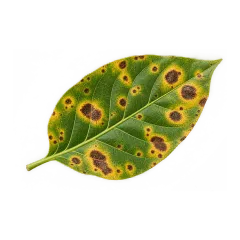
Leaf spot disease
A fungus or bacteria that spreads in wet, warm weather.
- Pick off spotted leaves and take them far from the field. Burn or bury them.
- Water the soil, not the leaves, and water in the morning so the leaves dry.
- If it spreads fast, ask the agro-shop for a fungicide made for your crop (often copper-based) and follow the label.
Don’t: Do not leave sick leaves on the ground. Wash your hands and tools before touching healthy plants.
Also watch for
General advice from crop guides for Ghana. Before you spray, ask your agro-input dealer for a product registered for this pest, read the label, and wear gloves. For a serious attack, call your district agriculture office or an agronomist.
Catch it early
AsaaseYaa reminds you when to check your crop for pests, and shows you what to look for. Free.